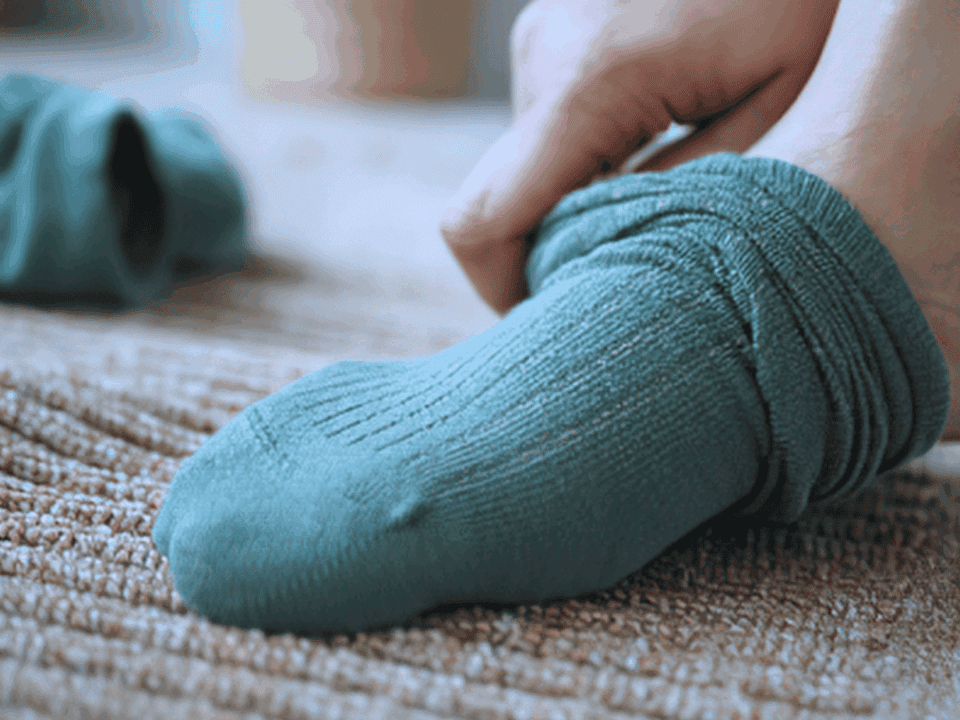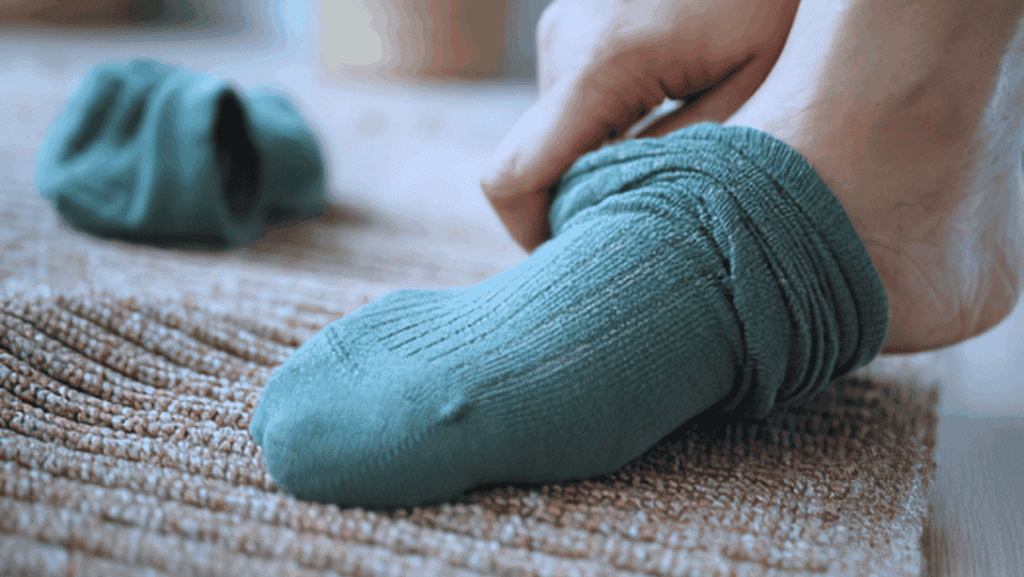
The “Bunched-Up Sock” Sensation in Your Feet: What It Means and How to Treat It
October 24, 2026
No Tricks, All Treats: Explore Stem Cell Therapy and a Special Halloween Offer at Restore Wellness Center
October 31, 2026
Neuropathy does not always stay where it starts. What begins as tingling in the toes or numbness in the soles may gradually reach the ankles and calves, making walking, balance, and everyday activities more difficult. When you notice neuropathy spreading up the legs, the important question is not simply how far the symptoms have traveled, but what is causing them and whether further damage can be limited. When you first notice neuropathy spreading up the legs, it is a clear sign that the condition is advancing beyond the toes and requires professional attention.
Early evaluation matters because some causes of nerve damage are treatable, while others require long-term management. Although treatment cannot guarantee full nerve recovery, identifying the cause promptly may help prevent additional damage and reduce the risk of serious complications.
1. Why does neuropathy spread from the feet upward?
Many common forms of peripheral neuropathy are length-dependent. This means the longest nerves, which extend from the spinal cord to the feet, are often affected first. Symptoms may therefore begin in the toes and gradually move toward the ankles and lower legs. In more advanced cases, the hands may also become affected.
This pattern does not mean every case of neuropathy progresses in the same way. The speed and extent of progression depend on the underlying cause, the type of nerves involved, and other health factors.
If you want to recognize the earliest warning signs, read our guide to symptoms of neuropathy in the feet.
2. Is poor circulation making your nerve symptoms worse?
Nerve health and circulation are closely connected, but they are not the same problem. In conditions such as diabetes, elevated blood glucose can damage nerves and the small blood vessels that help nourish them. Peripheral artery disease and other vascular conditions may also reduce blood flow to the legs and feet, increasing the risk of wounds and delayed healing.
However, neuropathy spreading up the legs is not automatically caused by poor circulation. The pattern may reflect nerve damage, a compressed nerve, a metabolic condition, or another underlying disorder.
Dermatomes are areas of skin supplied by particular spinal nerve roots. Symptoms following a specific dermatomal pattern may suggest nerve-root irritation or compression, whereas common length-dependent neuropathy often affects the feet in a more widespread pattern.
A clinical evaluation can help distinguish nerve-related symptoms from vascular problems, or identify when both may be present. For more information, see our article on diabetic neuropathy: early signs, causes, and treatment.
3. Why waiting can increase the risk of complications
Progressive numbness can be easy to underestimate, particularly when it is not painful. Yet reduced sensation may prevent you from noticing a blister, cut, pressure injury, or burn. If the injury goes untreated, infection and other complications may develop, especially in people with diabetes or poor circulation.
Nerve damage can also affect proprioception, the body’s ability to sense the position and movement of its limbs. When the feet provide less reliable sensory feedback, balance and coordination may suffer, increasing the risk of trips and falls.
Early intervention does not guarantee that permanent nerve damage can be avoided. It can, however, create an opportunity to address treatable causes, protect vulnerable feet, and reduce preventable complications. Ignoring the early warning signs of neuropathy spreading up the legs can significantly increase your risk of balance issues, trips, and severe accidental injuries.
Learn more about how neuropathy affects balance and mobility.
4. What causes neuropathy to progress?
Several conditions can contribute to worsening nerve symptoms, including:
- Diabetes and elevated blood glucose: prolonged high blood sugar can damage peripheral nerves and their supporting blood vessels.
- Vitamin deficiencies: vitamin B12 deficiency, for example, can cause neurological symptoms and should be identified and treated appropriately.
- Medication effects, alcohol exposure, and certain medical conditions: these may contribute to nerve damage in some patients.
- Nerve compression or spinal conditions: these can produce symptoms that overlap with peripheral neuropathy.
- Vascular disease: reduced blood flow may contribute to leg discomfort, skin changes, and poor wound healing, although it is not the explanation for every case of numbness.
The right treatment depends on the cause. Correcting a deficiency, improving diabetes management, or addressing a specific nerve compression may help in appropriate cases. Some forms of nerve damage, however, may be only partly reversible.
Our articles on vitamin B12 deficiency and nerve pain and lifestyle changes that can slow neuropathy progression explain two important parts of nerve-health management.
5. How early evaluation can help protect nerve function
A timely assessment can help determine whether symptoms are consistent with peripheral neuropathy and identify possible contributing conditions. Depending on your history and examination, evaluation may include blood tests, a neurological examination, assessment of foot sensation, or nerve-conduction studies. Vascular testing may be appropriate when circulation problems are suspected.
Treatment is individualized. It may involve managing an underlying condition, correcting a confirmed nutritional deficiency, treating neuropathic pain, supporting strength and balance, and following a structured foot-care routine.
For diabetic neuropathy, optimizing blood glucose management may help prevent or delay nerve damage and slow progression in some patients. It does not reliably reverse established nerve loss.
If symptoms are persistent or worsening, explore our personalized neuropathy care options and discuss appropriate next steps with a qualified healthcare professional.
6. How Restore Wellness Center approaches neuropathy and circulation concerns
At Restore Wellness Center, we recognize that numbness, burning, tingling, leg discomfort, and changes in walking can have different causes. Our approach begins with understanding your symptoms, medical history, and individual needs.
When circulation concerns are present, assessment can help determine whether a vascular condition may be contributing to the problem. Treatments such as vein procedures or other circulation-focused interventions are appropriate only for specific diagnosed conditions; they are not universal treatments for peripheral nerve damage.
Regenerative medicine and other emerging therapies also require careful consideration. Evidence varies by treatment and diagnosis, and these approaches should not be presented as guaranteed ways to repair damaged nerves. The aim is to discuss realistic options based on the clinical findings, potential benefits, and limitations.
If neuropathy symptoms are affecting your mobility or quality of life, you can request a consultation with Restore Wellness Center in Scottsdale or call (480) 442-3990. You can also visit our home page to learn more about the clinic.
7. Frequently asked questions
1. Can neuropathy spread from the toes to the calves?
Yes. Many length-dependent peripheral neuropathies begin in the toes or feet and gradually affect the lower legs. However, symptoms that spread upward can have other causes, so an assessment is important.
2. Does neuropathy spreading up the legs mean the damage is permanent?
Not necessarily. Some causes are treatable, and symptoms may improve when the underlying problem is addressed. Other forms of neuropathy can cause lasting damage. The outcome depends on the cause, severity, and duration of the condition.
3. Can poor circulation cause neuropathy?
Circulation problems and neuropathy can coexist, particularly in people with diabetes. Diabetes can damage both nerves and small blood vessels. However, poor circulation is not the cause of every case of neuropathy, and vascular treatment alone does not necessarily reverse nerve damage.
4. When should I seek medical attention?
Arrange an evaluation for persistent or worsening numbness, tingling, burning, weakness, or balance problems. Seek prompt care for foot wounds, signs of infection, or significant changes in skin color or temperature. Sudden weakness, rapidly developing symptoms, or difficulty walking that appears suddenly may require emergency assessment.
Medical references:
- National Institute of Neurological Disorders and Stroke – Peripheral Neuropathy
- Mayo Clinic – Peripheral Neuropathy: Symptoms and Causes
- Mayo Clinic – Peripheral Neuropathy: Diagnosis and Treatment
- National Institute of Diabetes and Digestive and Kidney Diseases – Peripheral Neuropathy
- NIDDK – Diabetes and Foot Problems