Is Peripheral Neuropathy Reversible? An Honest Answer for Arizona Patients
September 21, 2026
Fall Immune Health: IV Therapy in Scottsdale, AZ
October 11, 2026
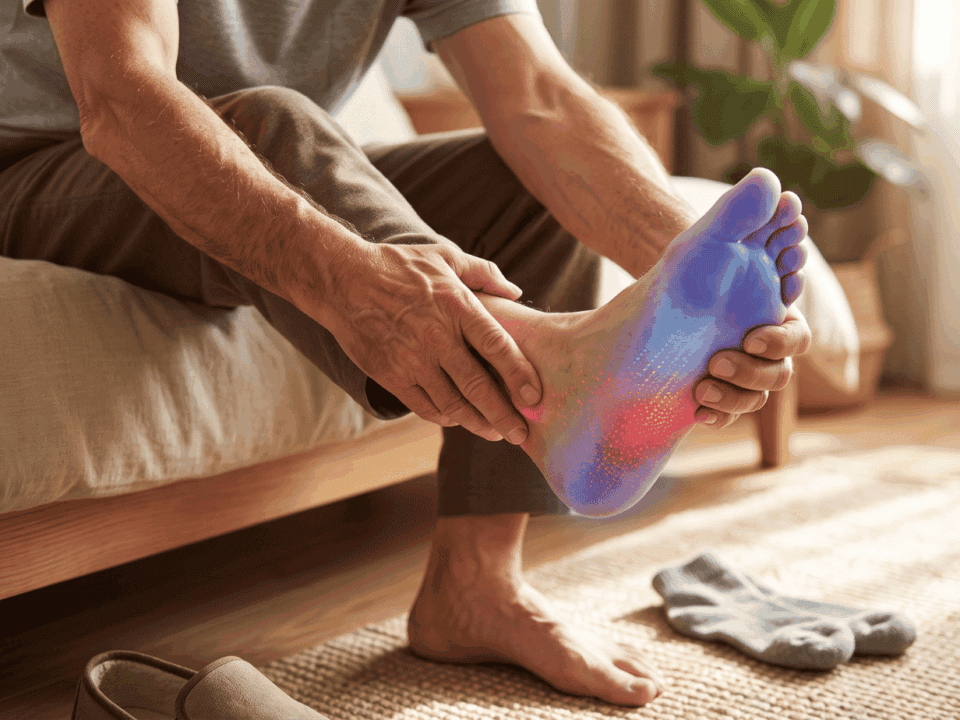
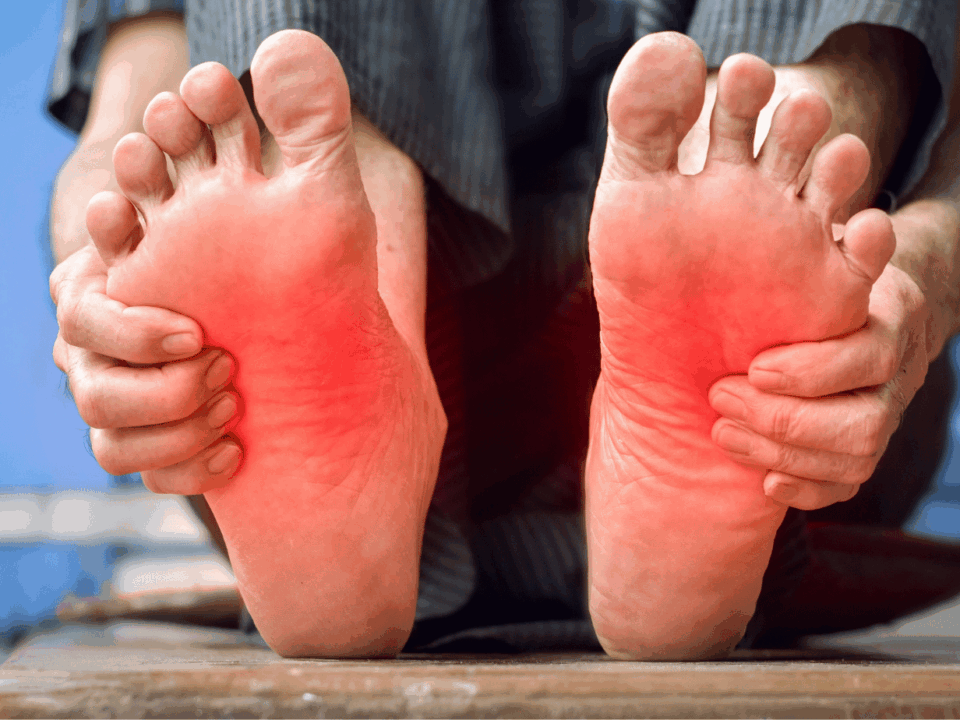
Neuropathy does not always announce itself as pain. Sometimes it feels like a wrinkle in your sock, a hot floor, or feet that no longer seem to trust the ground.
When “my feet feel strange” is the most accurate description
One of the hardest parts of neuropathy is finding the language for it. Patients do not always walk in saying, “I have peripheral nerve damage.” They say, “My feet feel asleep.” “The sheets hurt.” “I keep checking my shoe for a pebble.” “I do not feel steady in the dark.” Those descriptions are clinically useful, not strange.
Peripheral neuropathy can affect sensory nerves, motor nerves, and autonomic nerves. Because those nerves do different jobs, symptoms in the feet can include pain, altered sensation, weakness, balance problems, temperature changes, and reduced awareness of an injury.
1. Tingling or pins and needles
Tingling may feel like a foot that has fallen asleep even when you have not been sitting awkwardly. It can be mild and intermittent at first, then become more frequent or spread upward toward the ankles or legs.
2. Burning, hot, or electric pain
Neuropathic pain is often described as burning, stabbing, shooting, throbbing, or electric. It may become more noticeable at night, when there are fewer distractions and even light contact from a bedsheet can feel intense.
3. Numbness or reduced feeling
Numbness is not necessarily less serious because it hurts less. Reduced sensation can make it harder to notice a blister, cut, hot surface, tight shoe, or object inside a sock. For people with diabetes, that loss of protective feeling deserves particular attention because small injuries can progress before they are noticed.
4. The “bunched-up sock” or pebble sensation
Some people feel as though a sock is wrinkled under the toes, a pebble is trapped in the shoe, or a tight layer is wrapped around the foot – even when nothing is there. This altered sensation is one reason a detailed description is often more helpful than simply rating pain from one to ten.
5. Pain from light touch
A blanket, sock seam, or gentle touch may hurt more than expected. This is sometimes called allodynia: pain caused by a stimulus that normally would not be painful. It can interfere with sleep, footwear, exercise, and everyday comfort.
6. Trouble sensing temperature
Neuropathy can change how the feet register heat and cold. A person may feel unusually hot or cold, or may not accurately sense the temperature of bathwater, pavement, or a heating pad. That creates a safety issue as well as discomfort.
7. Weakness, toe catching, or foot drop
When motor nerves are involved, the problem may look less like pain and more like movement: toes catching on the floor, difficulty lifting the front of the foot, reduced push-off, or new weakness. These changes can increase fall risk and warrant prompt evaluation.
8. Balance problems or feeling unsure of the ground
Your feet constantly send information to the brain about pressure and position. When that feedback becomes unreliable, you may feel unsteady, especially on uneven surfaces, in low light, or with your eyes closed. Repeated tripping or falls are not something to dismiss as “just getting older.”
9. Skin, color, sweating, or wound changes
Some nerve problems can affect sweating and skin condition. Circulation problems can also cause changes in color, temperature, swelling, or healing, and the two issues may coexist. A sore, blister, red area, swelling, drainage, or darkened skin should be examined – particularly when sensation is reduced or diabetes is present.
| A detail patients often miss: Pain can fade while numbness remains. Less pain does not always mean the nerve problem has resolved, so changes in sensation and foot safety still matter. |
What else can feel like neuropathy in the feet?
Not every burning or numb foot is peripheral neuropathy. Symptoms may overlap with sciatica, a compressed nerve, circulation problems, vitamin deficiencies, thyroid or kidney conditions, medication effects, orthopedic problems, infections, or other neurologic conditions. That is why internet symptom matching cannot replace an evaluation.
The pattern offers clues. Are both feet affected or only one? Did symptoms begin gradually or suddenly? Do they worsen at night? Is there back pain? Has balance changed? Are there wounds or color changes? Bring those observations to your appointment.
A simple foot check you can do tonight
If your feet are numb or you have diabetes, make a daily visual check part of your routine. These foot-care strategies can help you identify problems early and reduce the risk of complications. It takes only a minute:
- Look at the tops, soles, heels, and between the toes; use a mirror if needed.
- Check for blisters, cuts, cracks, redness, swelling, calluses, nail problems, or drainage.
- Feel inside shoes before putting them on and avoid walking barefoot when sensation is reduced.
- Use warm – not hot – water, and test temperature with a part of the body that has normal sensation.
- Contact a healthcare professional promptly about a wound, infection, or meaningful change.
This is general safety information, not a substitute for individualized diabetic foot-care instructions from your medical team.
When should you seek care?
Schedule a medical evaluation when tingling, numbness, burning, weakness, or balance changes persist, worsen, spread, disrupt sleep, or affect walking. Seek prompt care for a new foot wound, signs of infection, or sudden weakness. Rapidly developing symptoms, breathing difficulty, severe new balance loss, or stroke-like symptoms require urgent or emergency evaluation.
How Restore Wellness Center approaches the first visit
We begin by listening to how the symptoms actually feel and how they are changing your life. Then we look for the pattern and the possible contributors. The purpose is not to fit every patient into one protocol. It is to understand whether your symptoms are consistent with neuropathy, determine what further evaluation may be appropriate, and discuss personalized neuropathy care based on your diagnosis and goals.
For some people, the most important goal is sleeping without burning pain. For others, it is walking confidently, protecting a numb foot, returning to an activity, or understanding why symptoms are progressing. Those goals should shape the conversation.
| Next step: If foot symptoms are interfering with sleep, balance, walking, or daily life, request a neuropathy consultation with Restore Wellness Center in Scottsdale or call (480) 442-3990. |
Frequently asked questions
What are the first signs of neuropathy in the feet?
Early signs can include intermittent tingling, pins and needles, burning, unusual sensitivity, numb patches, or the sensation that a sock is bunched up. Symptoms vary, so persistent changes deserve evaluation.
Why is foot neuropathy often worse at night?
Many people notice burning or shooting pain more at night. Reduced distraction, body position, and sensitivity to bedding may all make symptoms more noticeable. Tell your clinician when symptoms occur and what triggers them.
Can neuropathy in the feet affect balance?
Yes. Reduced sensation can interfere with the position and pressure information your feet send to the brain. Weakness may also contribute, increasing the risk of tripping or falling.
What are red flags with numb feet?
A wound you cannot feel, redness, swelling, drainage, color change, sudden weakness, rapidly spreading numbness, or major difficulty walking should receive prompt medical attention. Emergency symptoms should be evaluated immediately.
Medical references:
- Mayo Clinic – Peripheral Neuropathy: Symptoms and Causes
- National Institute of Diabetes and Digestive and Kidney Diseases – Peripheral Neuropathy
- NIDDK – Diabetes and Foot Problems
- American Diabetes Association – Peripheral Neuropathy