

Neuropathy & Chronic Pain Relief Options
What is Neuropathy? Not only should you know...You should do something about it
Peripheral neuropathy is a condition that occurs when the nerves that send signals between the brain, spinal cord, and the rest of the body become damaged or diseased.
The peripheral nerves make up an intricate network that connects the brain and spinal cord to the muscles, skin, and internal organs. Peripheral nerves come out of the spinal cord and are arranged along lines in the body called dermatomes. Typically, damage to a nerve will affect one or more dermatomes, which can be tracked to specific areas of the body. Damage to these nerves interrupts communication between the brain and other parts of the body and can impair muscle movement, prevent normal sensation in the arms and legs, and cause pain.

Discomfort you don't have to live with

Neuropathy can be a painful condition that is caused by the damage or destruction of nerve cells. Neuropathy can have many causes, but the leading cause of neuropathy is diabetes. The uncontrolled high blood sugar resulting from diabetes can wreak havoc on the nerves and cause lasting damage. Luckily there are new treatments available that can help heal the body and mitigate the symptoms of neuropathy. These treatments are non-invasive, and many of them rely on the body's existing healing powers to repair nerve cells.
Neuropathy is not a disease that can wait. As time progresses, so does the disease, and neuropathy symptoms will worsen with time. That's why it's important to always reach out and seek treatment for neuropathy, as it tends to get worse with time, and the damage to the nerve cells will only compound. By getting treated early during the onset of symptoms, you can help to avert the worst symptoms of neuropathy and save your nerves from being damaged.
Tingling Nerve Pain in Your Legs & Feet? You may be a Candidate for Neuropathy Treatment!
People who are above the age of 65 and have diabetes are in the highest risk group for neuropathy. It's estimated that 8% of adults over 65 will develop neuropathy, and 60% to 70% of people with diabetes will develop neuropathy. Another large group of people who are at risk of developing neuropathy are people who are undergoing chemotherapy, people who have high blood pressure and cholesterol, and people who drink heavily.
The most common symptoms of neuropathy are feeling tingling and numbness in the feet and hands. These sensations can also turn into sharp burning and throbbing pain. People may also report not being able to feel anything in their hands or feet and muscle weakness, and muscle twitches. If you think that you might be experiencing any of these symptoms, reach out to our care providers by filling out the form below, and we will work with you to set up a consultation and get you started on your path to a neuropathy-free life.

Our Clinical Approach
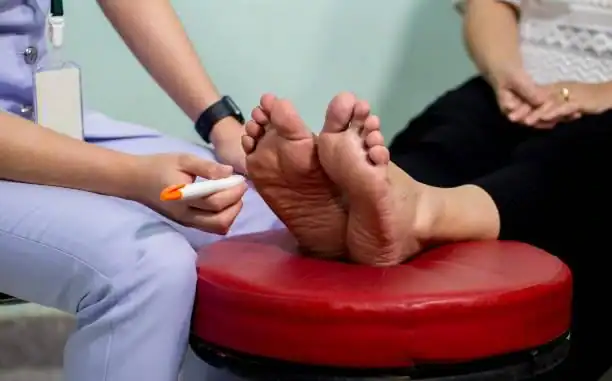
When people often think of neuropathy, they think of pain, but in reality, it is a problem with how the nervous system talks to the rest of the body. Tingling, numbness, and burning are not just random symptoms; they are early signs of nerve stress, inflammation, and poor circulation.
Our clinical focus at Restore Wellness Center goes beyond just relieving symptoms for a short time. We look at the root causes of nerve problems, such as metabolic imbalance, low blood flow, and long-term inflammation. Studies continue to demonstrate that early intervention with these factors enables nerve tissue to recover functionality.
We focus on non-invasive, restorative therapies that help with nerve signaling, cellular health, and lower neurological stress. We want to help patients keep their nerves healthy, get their mobility back, and improve their long-term quality of life by intervening at the right time and giving them care that is right for them.
Frequently Asked Questions
Schedule Your Consultation to Go Over Your Options Today