
Fall into Relief: Restore Mobility & Live Pain-Free This Season
October 11, 2026
Tapering Off Gabapentin or Lyrica? Non-Drug Alternatives for Chronic Nerve Pain
October 17, 2026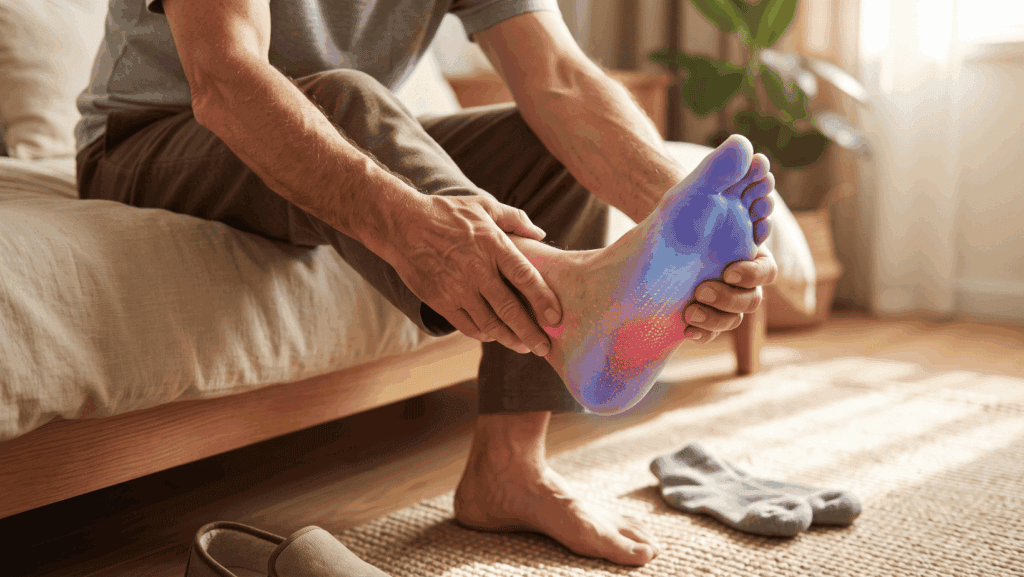
If your feet are becoming less sensitive, you trip more often, or you no longer feel the ground beneath you as clearly as before, it is worth paying attention. Progressive foot numbness is not an inevitable part of getting older. It can signal nerve damage or another medical condition that deserves evaluation.
1. When “It’s Just Aging” Is Not the Whole Story
Occasional tingling after sitting in one position may disappear within minutes. But when numbness becomes persistent, gradually spreads, or starts affecting your balance, it should not automatically be attributed to age.
Progressive foot numbness can be a symptom of peripheral neuropathy, a condition involving damage to the nerves outside the brain and spinal cord. These nerves help you feel touch, pain, temperature, and the position of your feet. When they stop functioning properly, everyday activities such as walking, exercising, or noticing an injury can become more difficult.
The important distinction is that numbness has several possible causes. Although peripheral neuropathy becomes more common with certain age-related health conditions, it is not simply a normal consequence of growing older. Identifying the cause early may help limit further damage and prevent complications.
2. Why Progressive Foot Numbness Can Signal Nerve Damage
Peripheral neuropathy often begins with subtle changes. You might notice tingling in your toes, a persistent pins-and-needles sensation, or the feeling that your socks are bunched up when they are not.
As symptoms progress, you may experience:
- Reduced sensitivity to touch, pain, or temperature.
- Burning, electric, or shooting sensations in the feet.
- Difficulty recognizing where your feet are positioned.
- Weakness, frequent tripping, or changes in walking.
- Reduced awareness of blisters, cuts, or pressure from footwear.
Not everyone experiences pain. In fact, numbness can become more concerning precisely because an injury may go unnoticed.
According to the Mayo Clinic’s overview of peripheral neuropathy, symptoms can include gradually developing numbness, weakness, tingling, and problems with coordination.
For more examples of how these symptoms feel in everyday life, read our article on symptoms of neuropathy in the feet.
3. What Causes Foot Numbness to Get Worse?
Progressive foot numbness does not have a single cause. Understanding what is affecting the nerves is essential to choosing appropriate care.
Common possibilities include:
- Diabetes: Persistently elevated blood glucose can damage nerves and the small blood vessels that supply them.
- Vitamin B12 deficiency: Inadequate B12 can interfere with normal nerve function and cause neurological symptoms.
- Nerve compression: Pressure on a nerve, including from certain spinal conditions, can cause numbness in part of a foot or leg.
- Alcohol-related nerve damage: Long-term excessive alcohol use can contribute to peripheral neuropathy.
- Certain medications: Some treatments, including particular chemotherapy drugs, can injure peripheral nerves.
- Other medical conditions: Thyroid disorders, kidney disease, autoimmune conditions, infections, and inherited disorders may also contribute.
In some cases, more than one factor is involved. Numbness can also result from circulation problems or other conditions that resemble neuropathy, so symptoms alone cannot establish a diagnosis.
The National Institute of Diabetes and Digestive and Kidney Diseases (NIDDK) explains how diabetes-related nerve damage affects sensation and why identifying foot problems early matters.
If you want to understand the role of blood sugar in nerve health, explore our guide to diabetic neuropathy: early signs, causes, and treatment.
4. Can You Stop Progressive Foot Numbness?
Sometimes, progression can be slowed or further nerve damage prevented. The outcome depends on the underlying cause, how much damage has occurred, and how early appropriate treatment begins.
For example, correcting a confirmed vitamin deficiency, improving diabetes management, or addressing a compressed nerve may help when that condition is responsible for the symptoms. However, established nerve damage does not always fully reverse, and improvement can take time.
This is why we encourage patients not to wait for numbness to become painful before seeking an evaluation.
At Restore Wellness Center, our approach begins with understanding your symptoms, medical history, and possible contributing factors. Depending on your circumstances, further testing or coordination with another healthcare professional may be appropriate before a treatment plan is discussed.
Our goal is to help you understand your options and work toward better function and quality of life. To learn more, visit our neuropathy care page.
5. Why Waiting Can Put Your Feet at Risk
When sensation decreases, the feet lose some of their natural protection. You might step on a sharp object, develop a blister from tight shoes, or burn your skin without realizing it.
For people with diabetes, these injuries deserve particular attention because impaired sensation and reduced circulation can contribute to slow healing and serious infections.
A few practical habits can help protect your feet:
- Check the tops, soles, heels, and spaces between your toes every day.
- Inspect your shoes for objects, rough seams, or areas that create pressure.
- Wear properly fitting footwear and avoid walking barefoot if sensation is reduced.
- Test bathwater with a part of your body that has normal sensation; never rely on numb feet to judge temperature.
- Seek medical advice promptly about wounds, redness, swelling, drainage, or changes in skin color.
These measures do not repair damaged nerves, but they can help prevent injuries and complications while the underlying problem is being evaluated.
For more guidance, see our article on foot care strategies to prevent neuropathy complications.
6. When Should You Seek Medical Attention?
Arrange a medical evaluation if foot numbness persists, worsens, spreads, or begins affecting your balance or walking. New or progressive sensory changes should not be dismissed simply because they develop gradually.
Seek prompt care for a new foot wound, signs of infection, or new weakness. Sudden numbness, especially when accompanied by weakness, facial drooping, confusion, difficulty speaking, or a severe headache, requires emergency evaluation. Rapidly worsening weakness, difficulty walking, or numbness accompanied by loss of bladder or bowel control also requires urgent assessment.
A clinician may review your medical history, examine sensation and reflexes, assess circulation, and order tests based on your symptoms. Blood tests may help identify diabetes, vitamin deficiencies, or other contributing conditions. Nerve-conduction studies, electromyography, or imaging may be appropriate in selected cases.
The earlier the cause is identified, the sooner appropriate treatment and measures to protect your feet can begin.
7. A Personalized Approach to Neuropathy Care
At Restore Wellness Center, we recognize that every patient has a different medical history and set of goals. Some people want relief from burning discomfort; others are concerned about declining sensation, balance, or the ability to remain active.
Our clinical team focuses on understanding the factors contributing to your symptoms and discussing care options suited to your individual needs. Depending on the findings, this may involve addressing relevant health factors, supporting mobility, managing symptoms, or considering appropriate therapies.
No treatment can guarantee that established nerve damage will be reversed. The right plan depends on the diagnosis, and evidence-based medical management remains essential.
If progressive foot numbness is affecting your daily life, we invite you to learn more about our neuropathy services or request a neuropathy consultation.
Next step: Restore Wellness Center serves patients in Scottsdale and surrounding Arizona communities. Call (480) 442-3990 or visit our consultation page to discuss your symptoms and available options.
Frequently Asked Questions
Is progressive foot numbness a normal part of aging?
No. Although neuropathy becomes more common with some conditions that are more prevalent in older adults, progressive numbness should not be considered an inevitable part of aging. It warrants evaluation to identify the cause.
Can foot numbness from neuropathy be reversed?
Sometimes, depending on the cause and severity. Treating an underlying problem may improve symptoms or prevent further damage, but established nerve damage does not always fully recover.
Does foot numbness always mean I have neuropathy?
No. Nerve compression, spinal conditions, circulation problems, and other medical issues can cause similar symptoms. A clinical assessment is needed to determine the cause.
What can I do at home to prevent complications?
Inspect your feet daily, wear well-fitting shoes, avoid walking barefoot when sensation is reduced, and manage underlying conditions with your healthcare team. Seek prompt care for wounds or signs of infection.
When is foot numbness an emergency?
Sudden numbness accompanied by weakness, facial drooping, confusion, or difficulty speaking may indicate a stroke and requires emergency care. Rapidly worsening neurological symptoms also need urgent assessment.
Medical References
- Mayo Clinic: Peripheral Neuropathy — Symptoms and Causes
- National Institute of Diabetes and Digestive and Kidney Diseases (NIDDK): Peripheral Neuropathy
- NIDDK: Diabetes and Foot Problems
- NHS: Peripheral Neuropathy
- Mayo Clinic: Numbness — Causes and When to Seek Care