Tapering Off Gabapentin or Lyrica? Non-Drug Alternatives for Chronic Nerve Pain
October 17, 2026
Why Neuropathy Spreads Up the Legs: 7 Critical Facts About Early Treatment
October 24, 2026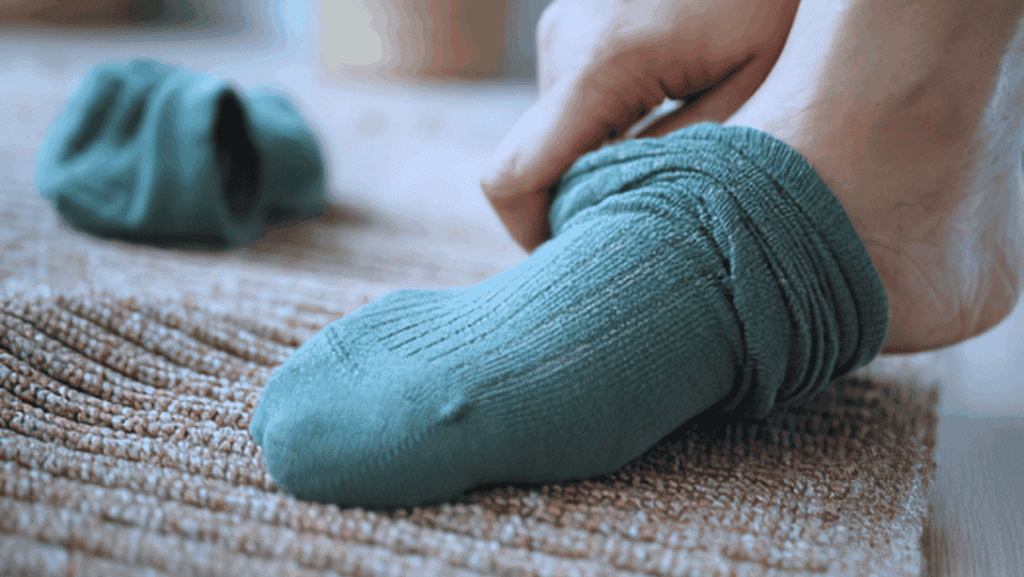
Have you ever taken off your shoes to fix a wrinkle in your sock, only to discover that nothing is there? This unusual feeling can be more than an annoyance. When persistent, the bunched-up sock sensation in your feet may be associated with altered nerve function, reduced sensation, or other conditions that deserve medical attention.
Do Your Feet Feel Like Your Socks Are Bunched Up?
The sensation of having a folded sock, a pebble, or a small lump beneath your toes is something people with nerve-related symptoms sometimes describe. It may occur even when your feet are bare, and it can affect one or both feet.
One possible explanation is peripheral neuropathy, a condition involving damage to the nerves outside the brain and spinal cord. These nerves transmit information about touch, pain, temperature, and the position of your feet.
However, the bunched-up sock sensation in the feet does not automatically mean you have neuropathy. Nerve compression, foot structure problems, and other conditions can produce similar sensations. Identifying the cause is the first step toward appropriate treatment.
1. What Causes the Bunched-Up Sock Sensation in Feet?
Your feet constantly send sensory information to your brain. When these signals become altered, ordinary sensations may feel unusual or misleading.
Possible causes include:
- Peripheral neuropathy: Damaged sensory nerves can cause numbness, tingling, burning, or unusual pressure sensations.
- Diabetic neuropathy: Prolonged high blood glucose can damage nerves, often beginning in the feet.
- Nerve compression: Pressure on a nerve in the foot, ankle, or lower back can cause localized numbness or tingling.
- Foot conditions: Structural problems or irritation around the toes can create the feeling of walking on a lump.
- Vitamin deficiencies: A deficiency in vitamin B12, for example, can affect nerve function.
The Mayo Clinic’s guide to peripheral neuropathy explains that nerve damage can cause numbness, tingling, pain, weakness, and sensations that feel like wearing socks when you are not.
If you recognize these symptoms, read our related article, Symptoms of Neuropathy in the Feet: 9 Sensations Patients Often Struggle to Describe.
2. How Neuropathy Can Affect Proprioception and Balance
Proprioception is your body’s ability to sense the position and movement of its parts without needing to look at them. Sensory information from your muscles, joints, and feet helps your brain coordinate movement and maintain balance.
When peripheral nerve damage interferes with this information, you may feel less certain about where your feet are positioned. Walking on uneven ground, climbing stairs, or moving around in dim lighting may become more difficult.
For older adults, these changes can increase the risk of falls, particularly when combined with muscle weakness, vision problems, or other balance difficulties.
Watch for signs such as:
- Feeling unsteady when walking.
- Frequently stumbling or catching your toes.
- Difficulty maintaining balance in low light.
- Reduced awareness of the ground beneath your feet.
- Repeated falls or a growing fear of walking independently.
According to the National Institute of Diabetes and Digestive and Kidney Diseases (NIDDK), peripheral neuropathy can affect the ability to sense movement and position, interfere with walking, and increase the risk of falls.
Important: New or worsening balance problems deserve medical evaluation. Sudden numbness or weakness, especially with facial drooping or difficulty speaking, requires emergency care.
3. How Is the Bunched-Up Sock Sensation Treated?
There is no single treatment for the bunched-up sock sensation in feet because the appropriate approach depends on its cause.
A healthcare professional may assess your symptoms, medical history, sensation, reflexes, strength, circulation, and walking. Depending on the findings, blood tests, nerve-conduction studies, or imaging may be recommended.
Treatment may involve:
- Managing diabetes: Appropriate blood glucose management can help reduce the risk of further diabetic nerve damage.
- Correcting nutritional deficiencies: Confirmed deficiencies should be treated with guidance from a healthcare professional.
- Addressing nerve compression: Depending on the cause, treatment may include footwear changes, physical therapy, or other targeted interventions.
- Supporting balance and mobility: Individualized exercises, physical therapy, or appropriate walking aids can help reduce fall risk.
- Protecting the feet: Daily inspections and properly fitting shoes can help prevent injuries when sensation is reduced.
Some nerve problems improve when the underlying cause is treated, but established nerve damage does not always fully reverse.
For additional practical advice, explore our guide to Foot Care Strategies to Prevent Neuropathy Complications.
4. How Restore Wellness Center Approaches Neuropathy Care
At Restore Wellness Center, we understand that unusual foot sensations can affect more than comfort. They may interfere with sleep, confidence, walking, and everyday independence.
Our approach focuses on understanding your symptoms and discussing appropriate options based on your individual needs. Depending on the clinical findings, care may include symptom management, support for mobility, and attention to relevant metabolic or circulatory factors.
When impaired circulation is suspected, it is important to determine whether a vascular condition is present. Revascularization is a medical procedure used to restore blood flow in selected patients with significant vascular disease; it is not a standard treatment for neuropathy itself. Similarly, regenerative therapies should not be presented as proven nerve-repair treatments, because evidence and effectiveness vary by intervention and condition.
Our priority is to help patients understand their options without promising results that cannot be guaranteed.
If the bunched-up sock sensation in your feet is persistent or affecting your mobility, learn more about our neuropathy services or request a neuropathy consultation.
Next step: Contact Restore Wellness Center in Scottsdale, Arizona, at (480) 442-3990 to discuss your symptoms and appropriate next steps.
Do Not Ignore What Your Feet Are Telling You
The bunched-up sock sensation in feet may seem harmless, but persistent or worsening symptoms can signal a problem involving sensory nerves, nerve compression, or another medical condition.
You do not need to wait until discomfort becomes severe to seek help. Identifying the cause, protecting your feet, and addressing relevant health conditions can help reduce complications and support safer mobility.
If your feet no longer feel the way they used to, a proper evaluation is a more useful next step than assuming the sensation is simply part of aging.
5. Frequently Asked Questions
1. What does the bunched-up sock sensation in feet mean?
It describes the feeling that a sock is folded or that something is underneath the toes when nothing is there. It may occur with peripheral neuropathy, nerve compression, or certain foot conditions.
2. Can neuropathy make you feel like something is under your foot?
Yes. Altered sensory nerve signals can create unusual sensations, including the feeling of a pebble, a wrinkle in a sock, or pressure beneath the toes.
3. Can the bunched-up sock sensation affect balance?
It can. If the underlying condition reduces your ability to sense foot position, walking and balance may become more difficult, increasing the risk of falls.
4. Will this sensation go away on its own?
That depends on the cause. Some temporary sensations resolve when pressure on a nerve is relieved, while persistent symptoms may require medical assessment and targeted treatment.
5. When should I see a healthcare professional?
Arrange an evaluation if the sensation persists, returns frequently, worsens, or affects walking. Seek prompt care for new weakness, wounds, or signs of infection. Sudden neurological symptoms require emergency evaluation.
Medical Reference:
- Mayo Clinic: Peripheral Neuropathy — Symptoms and Causes
- National Institute of Diabetes and Digestive and Kidney Diseases (NIDDK): Peripheral Neuropathy
- National Health Service (NHS): Peripheral Neuropathy
- National Institute of Neurological Disorders and Stroke (NINDS): Peripheral Neuropathy