Is Regenerative Medicine Worth It? Benefits, Risks, and Success Factors
July 28, 2026
How Regenerative Medicine Helps Repair Damaged Tendons and Ligaments
July 30, 2026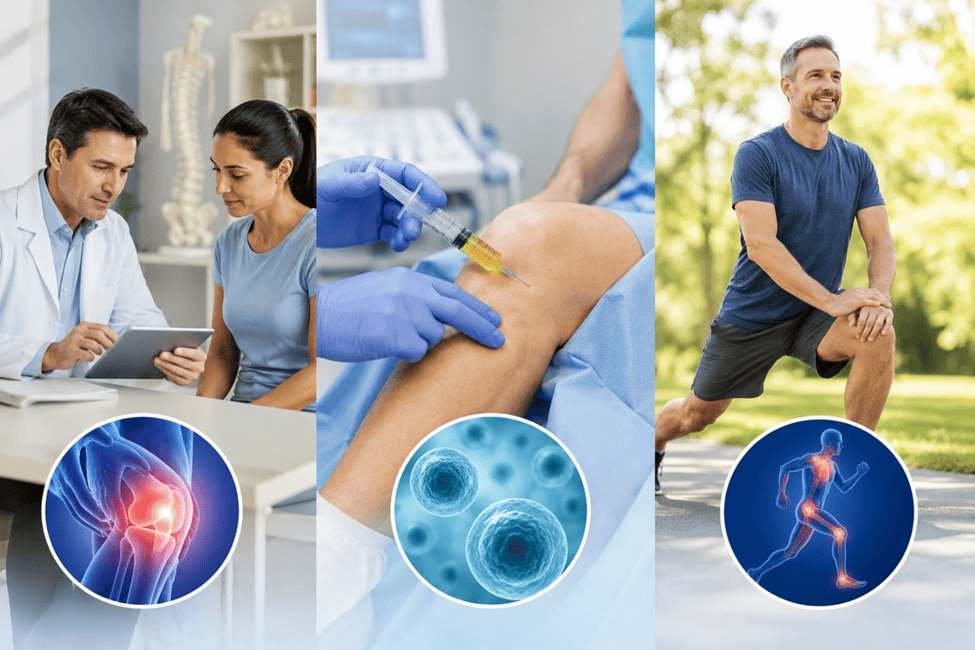
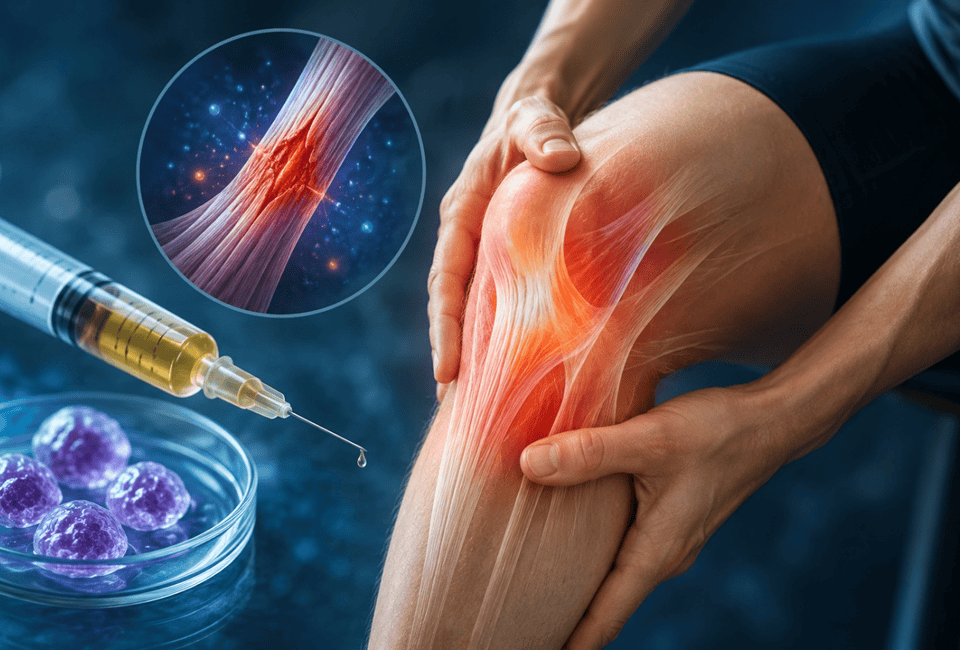
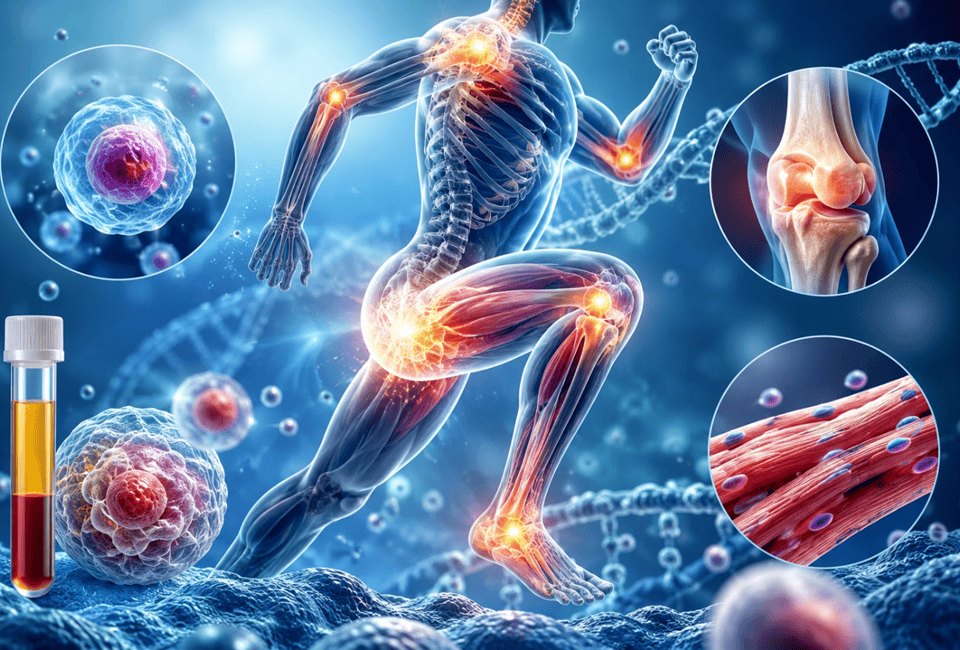
Undergoing a medical procedure can be frightening, but it is helpful for patients to be aware of each stage so they can feel more confident. Regenerative medicine aims to assist the body’s natural healing and can help patients with joint, tendon, ligament, and musculoskeletal disorders. Because regenerative medicine is an evolving area of healthcare, patients should understand the potential benefits, risks, and limitations of different therapies. The U.S. Food and Drug Administration (FDA) provides additional information for patients considering regenerative medicine therapies. Although each treatment is unique, it’s important to understand what to expect before, during, and after your treatment.
What to Expect Before Regenerative Medicine Treatment
Your provider will conduct a thorough evaluation before treatment. The evaluation may include a review of your medical history, a discussion of your symptoms, a physical exam, and diagnostic imaging when necessary. This evaluation helps determine whether regenerative therapies are appropriate for your condition. Patients can also learn about what to expect before the procedure, about medicines, restrictions in activity, and other preparations.
During the Procedure
At a qualified regenerative medicine clinic, providers perform most procedures on an outpatient basis. Depending on the recommended therapy, providers typically use minimally invasive techniques to complete the treatment. The procedure itself is generally brief, and providers prioritize patient comfort throughout the process. Your healthcare team will explain each step, answer questions, and provide instructions before you return home.
Recovery and Follow-Up Care
The time to recover depends on the condition being treated and the health of the person. For a few days after the procedure, some patients may experience temporary soreness or mild swelling, which is a normal part of their body’s healing process. Tissues are still healing, so the improvement in pain and function can take several weeks or months.
Recovery recommendations may vary depending on the treatment area and the type of regenerative therapy used. Patients should follow their provider’s specific instructions regarding physical activity, medications, and follow-up visits.
A trusted regenerative medicine center, Restore Wellness Center, offers each patient customized follow-up, rehab, and monitoring to ensure the best possible results. Following your provider’s recommendations and attending scheduled follow-up appointments are important steps in maximizing recovery and helping you return safely to your daily activities.