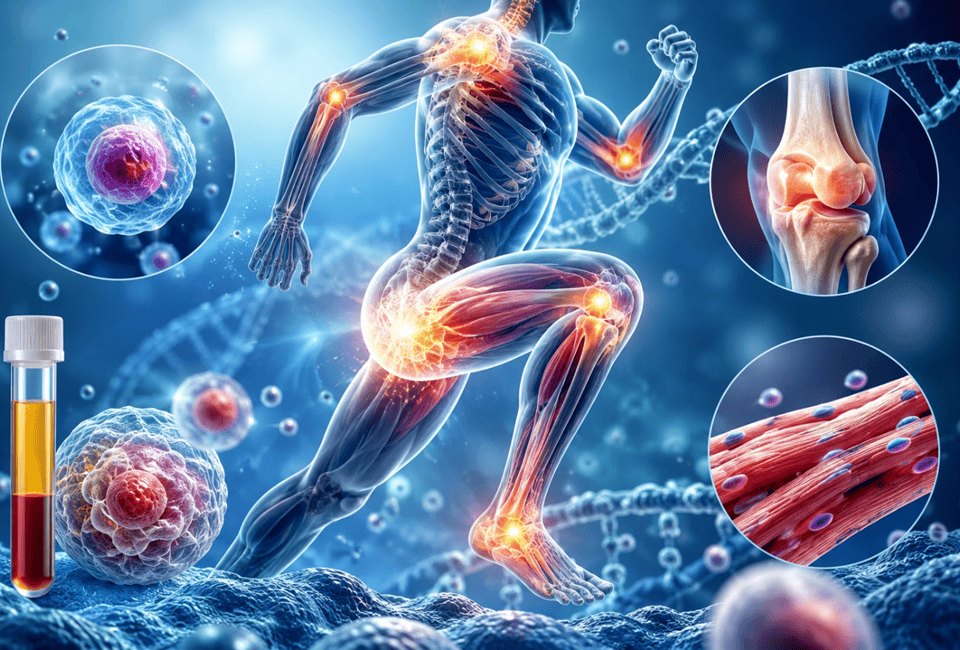
The Science Behind Regenerative Medicine – How Your Body Heals Itself
July 27, 2026
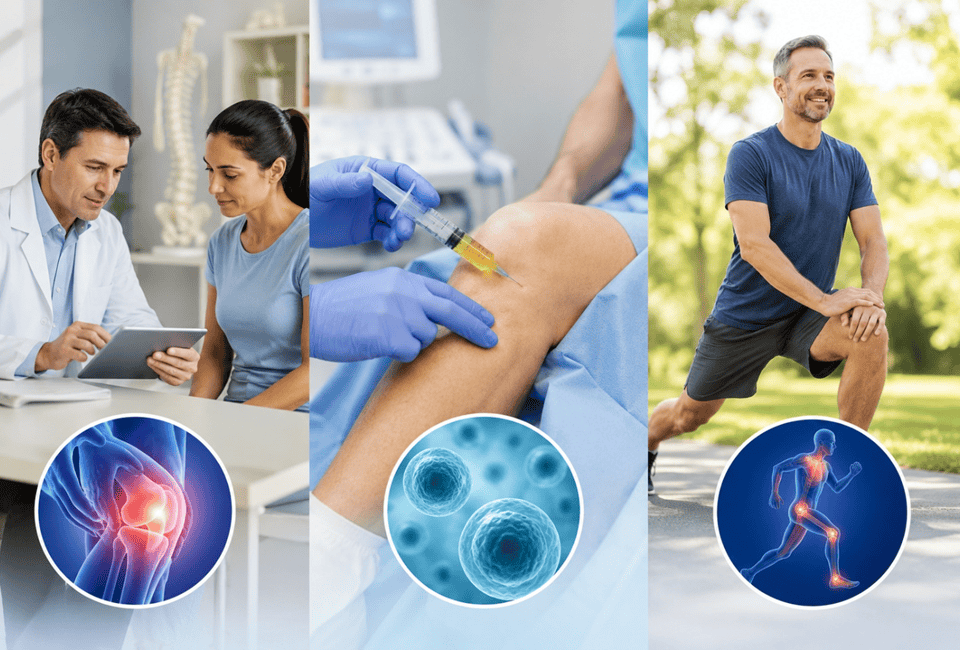
What to Expect Before, During, and After Regenerative Medicine Treatment
July 29, 2026
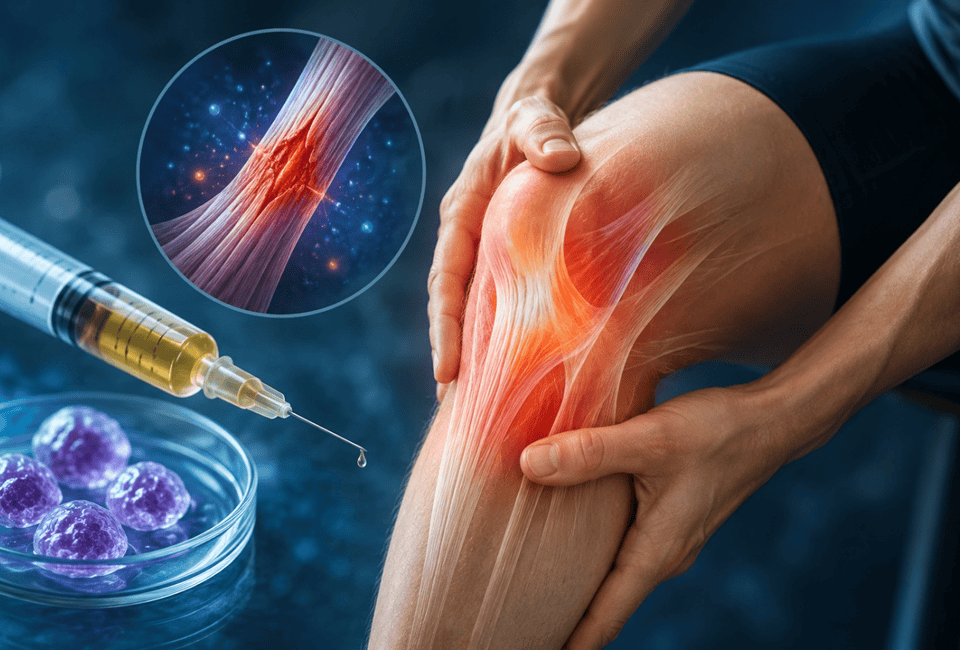
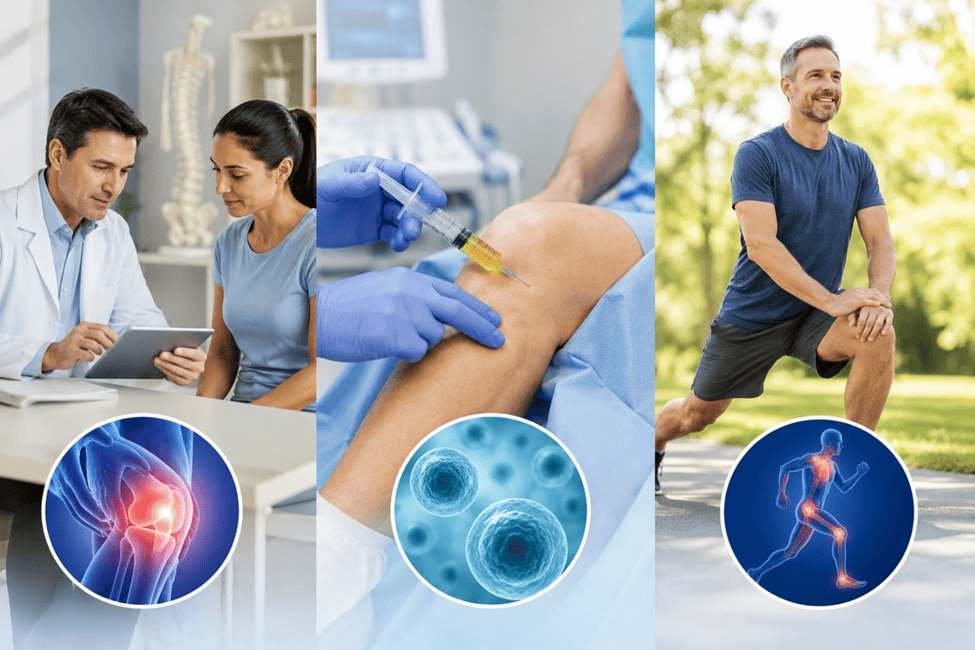
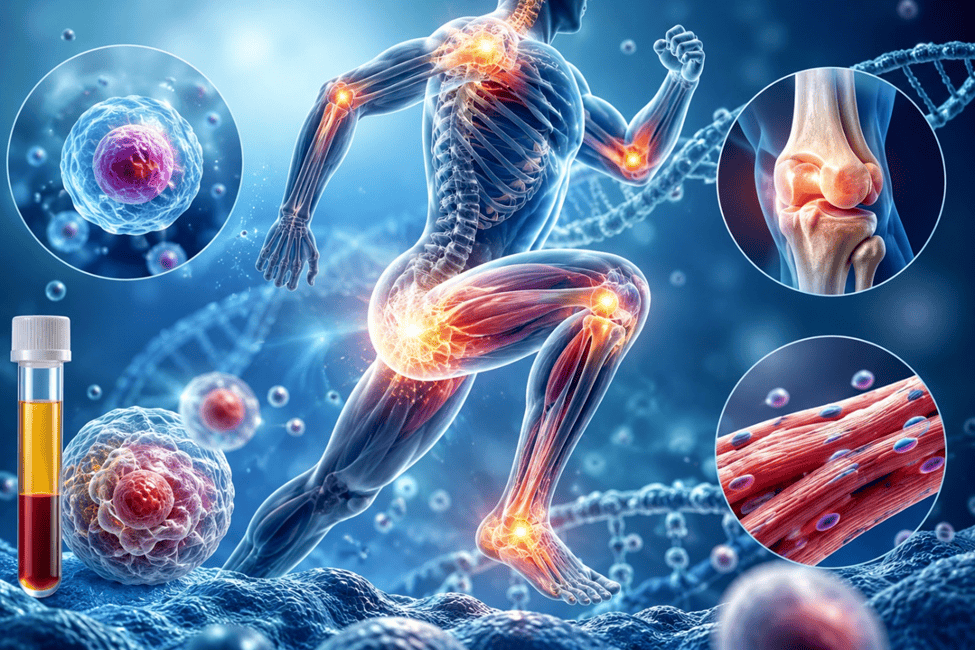
Those who are suffering from chronic joint pain, tendinitis, or ligament damage are turning to regenerative therapies. These treatments are not designed to alleviate symptoms but to support the body’s natural healing process. The first step in determining whether this is the right way to go for your health and condition is to choose a reputable regenerative medicine clinic.
Benefits and Potential Risks
Patients who want to avoid or delay surgery may consider regenerative therapies to alleviate pain, enhance mobility, and facilitate tissue repair. They are usually less invasive, and recovery time may be shorter than that of surgery. But there’s some risk involved. Soreness, swelling, bruising, and/or discomfort may occur at the injection site for a short period following treatment.
As with all medical procedures, there is a risk of infection or of not achieving the desired results. Before treatment, it is important to talk to an experienced regenerative medicine center about the possible benefits and risks.
What Influences Success?
There is no assurance of success with regeneration treatment due to various factors that could affect the results. Some factors that may determine whether the therapy will be effective include the patient’s age and health, the type and location of the injury, the extent of the disease being treated, and adherence to rehabilitation recommendations.
Moreover, early intervention aimed at establishing realistic expectations is necessary for successful outcomes. Stem cell treatment might not be the solution for all patients, as scientists are still studying its use in treating various musculoskeletal problems.
Finding the Right Provider
When searching for regenerative medicine near me, prioritize providers who perform comprehensive evaluations and develop personalized, evidence-informed treatment plans. Restore Wellness Center makes a personalized assessment of each patient’s needs and then provides the best treatment available.
With the right provider, patients can understand the promises and limitations of regenerative medicine and seek treatment to help preserve long-term mobility, function, and quality of life.