
Risk Factors That Increase Chances of Developing Neuropathy
April 1, 2026
What Are the Benefits of IV Therapy
April 20, 2026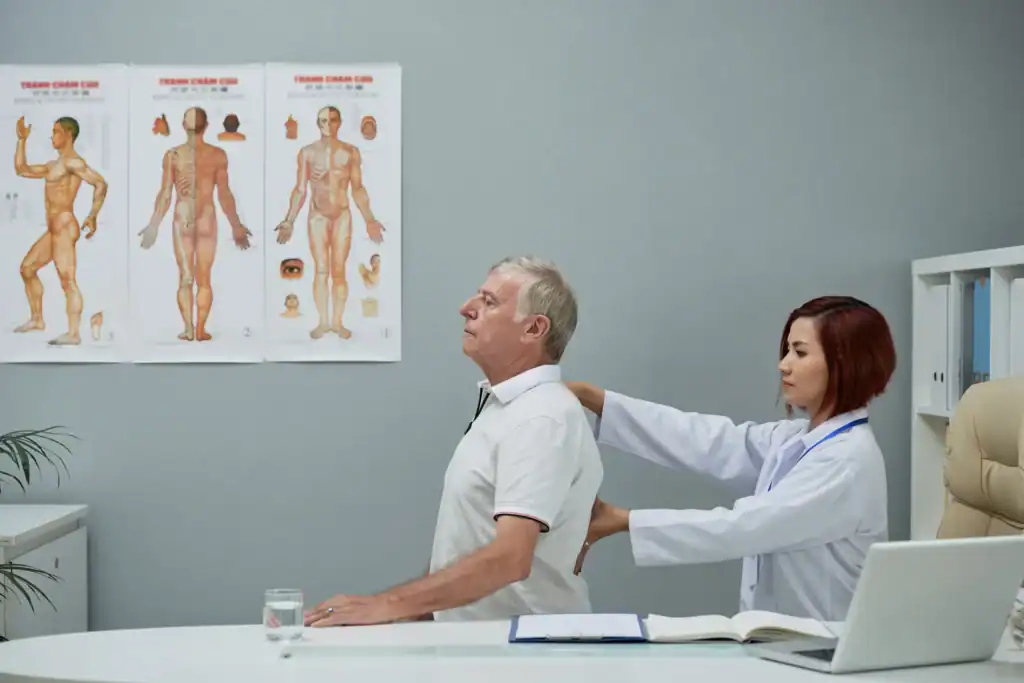
Nerve pain might feel confusing. It might show up in the form of sharp discomfort, numbness, burning, or tingling that can affect your everyday life. The two primary causes are sciatica and neuropathy. Even though they might seem similar at first, they are completely different ailments. Having a good understanding of the distinction between neuropathy vs. sciatica is highly essential. It can help you detect symptoms properly and opt for the correct treatment. This blog offers a clear insight into these two conditions, what they are, their symptoms, and their differences.
Neuropathy: A Brief Definition
Neuropathy, usually known as peripheral neuropathy, takes place when the nerves outside the spinal cord and brain become damaged. These nerves are known to carry out signals between the rest of the body and the brain. When they get damaged, the signals start to become overly sensitive, mixed up or weak. Neuropathy can be caused by several health issues, such as:
- Alcohol misuse
- Diabetes
- Autoimmune diseases
- Vitamin deficiencies
- Infections
The condition’s symptoms typically develop gradually and might include the following:
- Weakness in the muscles
- Reduced sensation or numbness
- Dull or sharp pain
- Tingling or burning feelings
The condition typically affects both sides of the body, particularly the hands and even the feet. It might begin in the fingers or toes and then slowly move upwards over time.
Getting to Know About Sciatica
Sciatica is not a disease itself. It is a symptom caused by irritation or compression of the sciatic nerve, the largest nerve in the body. This nerve starts in the lower back and runs through the hips, buttocks, and down each leg. Sciatica usually happens when something presses on the nerve, such as the following:
- A herniated (slipped) disc
- Bone spurs
- Spinal stenosis (narrowing of the spine)
The symptoms of this condition are quite specific:
- Pain that starts in the lower back
- Pain that travels down one leg
- A sharp, shooting, or electric feeling
- Tingling or numbness in the leg or foot
Unlike neuropathy, sciatica is said to affect only one side of the body.
The Main Difference Between Sciatica and Neuropathy
Even though both of these conditions involve pain, there is a massive difference between neuropathy and sciatica, and the table below provides a detailed explanation.
| Aspect | Neuropathy | Sciatica |
| Cause | It is caused by nerve damage, usually due to ailments like deficiencies and diabetes. | The condition is caused by compression or pressure of the sciatic nerve, usually from spinal-related problems. |
| Onset | The condition develops slowly over time. | It usually begins suddenly. |
| Pain Pattern | The pain is widespread and might affect countless nerves. | Follows a certain path along the sciatic nerve. |
| Location | It normally affects both sides, especially the feet and hands. | Typically affects just one side of the body, from the lower back down one leg. |
| Sensation | Dull pain, numbness, tingling, or burning sensation. | Electric-like, shooting and sharp pain. |
How Are They Diagnosed?
Physicians are said to use a combination of techniques to tell the difference between the two ailments. This includes the following:
- Nerve conduction studies
- Symptom discussion and medical history
- Imaging tests like MRI
- Physical examination
Accurate diagnosis is important because the treatment relies heavily on the root cause of the issue.
What are the Treatment Options Available?
The peripheral neuropathy clinics usually provide several treatment options that can help treat both of these conditions. Here are some of the important ones:
Treating Neuropathy
Treatment for neuropathy focuses on addressing the underlying cause. This may include the following:
- Managing blood sugar levels (for diabetes)
- Nutritional support
- Medications for nerve pain
- Physical therapy
The main goal is to slow down the nerve damage and lower the symptoms.
Treating Sciatica
Sciatica treatment focuses on relieving pressure on the nerve. Some of the common approaches include:
- Physical therapy and stretching
- Pain relief medications
- Posture correction
- Injections or surgery (in some situations)
Many cases of sciatica might also improve over time with proper care.
When to See an Expert?
You should seek immediate medical assistance when you experience the following:
- Worsening or persistent pain
- Weakness in the hands and legs
- Sudden or severe symptoms
- Loss of coordination
Early diagnosis can help prevent all complications and enhance recovery.
Conclusion
Sciatica and neuropathy might involve nerve pain, but these two conditions are very different from one another. Neuropathy takes place due to nerve damage and usually affects both sides of the body, particularly the feet and hands. Sciatica occurs due to the pressure caused by the sciatic nerve and affects one side, with pain that travels down the leg. Having a proper understanding of such distinctions can help you recognize the symptoms and opt for the right of care. A good sciatica and neuropathy clinic Scottsdale, AZ, like Restore Wellness Center, keeps its focus on detecting the root causes of nerve pain and provides customized treatment programs. They blend patient-centered care, rehabilitation methods, and advanced therapies to help individuals with ailments like sciatica and neuropathy and enhance their quality of life.