The Future of Pain Relief: Breakthroughs in Regenerative Medicine
December 23, 2025
How Regenerative Medicine Works: A Patient-Friendly Guide
January 15, 2026
Orthopedic therapy has primarily focused on alleviating pain, enhancing mobility, and slowing the deterioration of joints and tissues. Although traditional methods such as drug therapy, physiotherapy, and surgery remain significant, several patients are still looking for treatments that can offer more persistent relief.
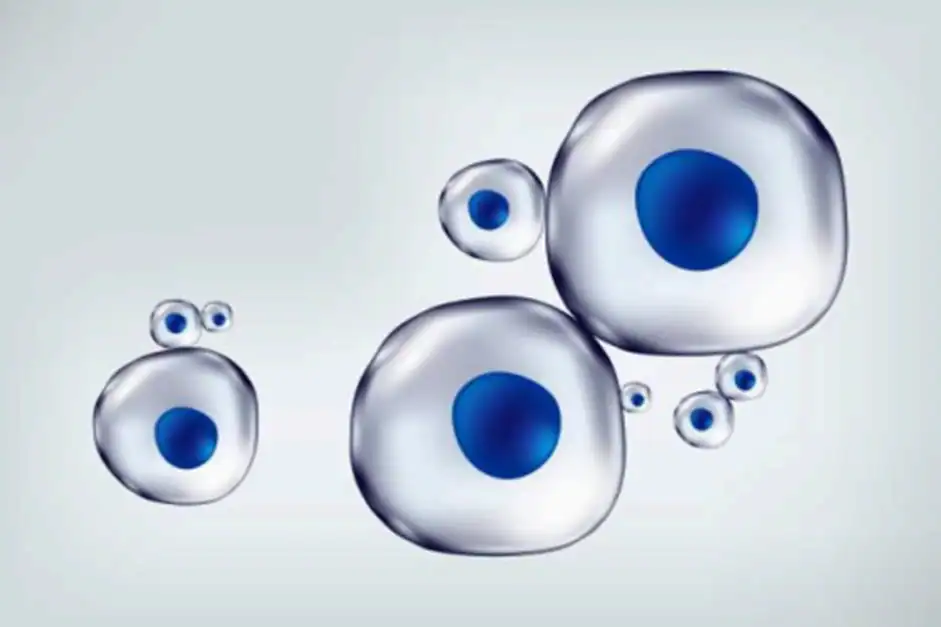
Consequently, regenerative medicine has become the most popular option in modern orthopedic care. The use of progressive regenerative medicine therapy has enabled healthcare professionals to guide the body’s natural healing process rather than mask the signs of the problem.
A Shift Toward Healing, Not Just Pain Control
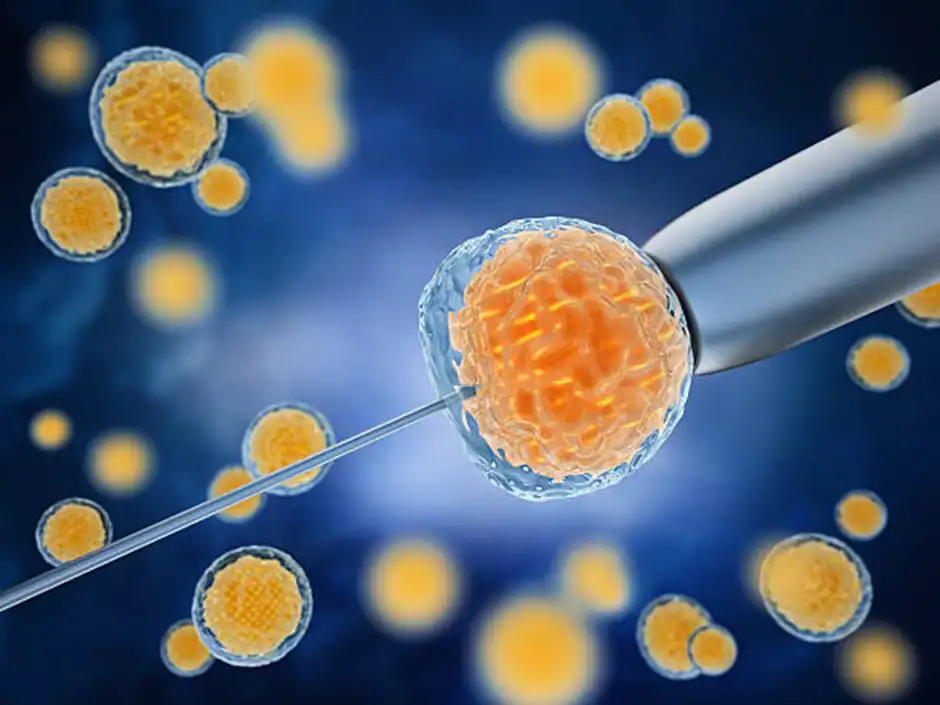
Traditional orthopedic treatments have typically focused on regulating inflammation and reducing pain signals. Even though this approach might be successful for a limited time, the problem of root tissue damage is often overlooked. Regenerative medicine, however, through its cellular approach, controls pain and addresses the root of the problem by encouraging repair and restoration.
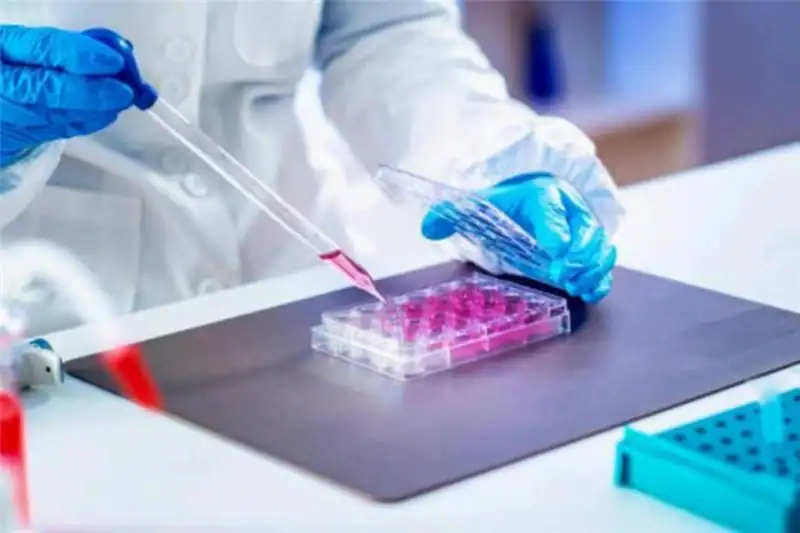
At a reputable regenerative medicine center, the medical team will develop a therapy plan to promote healing in the treated areas, such as joints, muscles, ligaments, and nerves. This very method gives patients not just pain relief but also improved function.
What Makes Regenerative Medicine Unique in Orthopedics
Regenerative medicine differs from other medical branches, as it focuses on the repair and growth of tissues. In addition to being among the least invasive, treatments provided in clinics for modern regenerative medicine are typically less painful and require no hospital stay.
These therapies primarily target orthopedic disorders resulting from gradual, cumulative damage, such as joint degeneration or chronic soft-tissue injuries. Regenerative medicine, by addressing the leading cause of pain, provides a more durable solution for long-term orthopedic health.
Orthopedic Conditions Commonly Treated
Regenerative medicine is applied to treat many orthopedic issues, such as:
- Osteoarthritis and rigidity of joints
- Pain in knees, shoulders, hips, and ankles that is chronic, severe, and painful
- Injuries to tendons and ligaments
- Injuries caused by sports and overuse
- Neck and back pains due to joint dysfunction
When surgery is not an option, patients often choose regenerative medicine treatments to support their healing, which do not involve long periods of downtime.
Regenerative Medicine and Nerve-Related Pain
Orthopedic treatment encompasses more than just the musculoskeletal system. Problems with nerves can significantly influence a person’s ability to move and their level of comfort. In specific clinics, such as those treating peripheral nerves, regeneration methods may be used to reduce inflammation around the nerves and nourish them.
Regenerative medicine then addresses both structural and nerve-related causes, providing a more comprehensive approach to orthopedic pain management.
The Role of Chiropractic Care in Orthopedic Healing
Orthopedic treatment encompasses more than just the musculoskeletal system. Problems with nerves can significantly influence a person’s ability to move and their level of comfort. In specific clinics, such as those treating peripheral nerves, regeneration methods may be used to reduce inflammation around the nerves and nourish them.
Regenerative medicine then addresses both structural and nerve-related causes, providing a more comprehensive approach to orthopedic pain management.
Why Patients Are Choosing Regenerative Medicine Clinics
The appeal of regenerative medicine is on the rise among patients, as it meets their expectations for less invasive, more tailored treatments. One of the leading clinics specializing in regenerative medicine provides personalized care plans tailored to each patient’s lifestyle, activity, and future goals.
Reduced pain medication use, quicker recovery, and improved movement are among the advantages commonly associated with such procedures. This focus on the patient is revolutionizing conventional orthopedic treatment views.
The Future of Orthopedic Care
Regenerative medicine continues to advance, and its applications in orthopedics will grow simultaneously. The emphasis is now on precision treatment that restores function and supports the body’s natural healing process. This development marks a considerable turnaround in the treatment of orthopedic conditions.
Final Thoughts
Regenerative medicine is a revolutionary trend in today’s orthopedic treatment, gradually shifting the practice from pain management to healing. Patients receiving advanced regenerative medicine therapy can relieve pain, improve function, and achieve a better quality of life.
At a reputable center for regenerative medicine, care typically combines regenerative therapies, chiropractic support, and individualized wellness plans. If you are dealing with a peripheral neuropathy clinic or visiting a chiropractor in Scottsdale, regenerative medicine is changing the whole scenario of orthopedic care.