Role of Stem Cells in Reducing Chronic Inflammation
March 28, 2026
How Blood Sugar Control Impacts Nerve Health
March 30, 2026
Neuropathy is when the nerves are damaged or not working right. This can cause symptoms like tingling, burning, numbness, or weakness in the hands and feet. There are many reasons why neuropathy can happen, but the two most common types are diabetic neuropathy and non-diabetic neuropathy. Patients can choose the best way to treat their condition and care for their nerves in the long term if they know how these conditions are different.
What Is Diabetic Neuropathy?
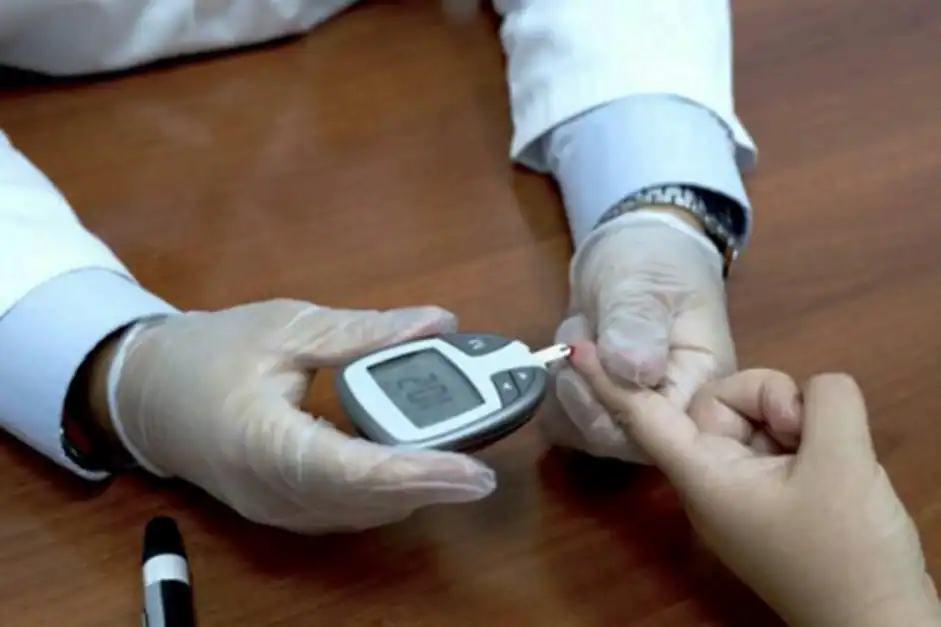
Diabetic neuropathy is a problem that happens when diabetes lasts for a long time. When blood sugar levels stay high for a long time, they damage the small blood vessels that feed nerves, which makes it harder for them to send signals.
Common features include:
● Burning or sharp pain in the feet
● Numbness or reduced sensation in the toes
● Muscle weakness in the lower limbs
● Increased risk of foot injuries and infections
Many people go to a Neuropathy treatment clinic in Scottsdale, AZ when their symptoms start to get in the way of their daily comfort or ability to move around. Early treatment is important because diabetic neuropathy usually gets worse if blood sugar levels stay out of control.
What Is Non-Diabetic Neuropathy?
Non-diabetic neuropathy is nerve damage that is not caused by diabetes. These cases are surprisingly common and may be caused by lifestyle choices, medical conditions, or exposure to the environment.
Possible causes include:
● Vitamin deficiencies, especially B vitamins
● Autoimmune disorders
● Alcohol related nerve damage
● Certain medications or chemotherapy
● Injuries or repetitive nerve compression
A specialized peripheral neuropathy clinic can look into these underlying causes by doing thorough tests and assessments. Finding the root cause of a problem often helps doctors come up with a better treatment plan.
Key Differences Between the Two
Even though the symptoms may be the same, the reasons behind them and the best ways to deal with them can be very different.
Key distinctions include:
● Diabetic neuropathy is caused by high blood sugar, while non-diabetic neuropathy can be caused by nutritional, autoimmune, or toxic factors.
● Diabetic neuropathy usually gets worse slowly over the course of years, while non-diabetic neuropathy can come on suddenly depending on what caused it. ● In diabetic cases, managing blood sugar is a big part of treatment, while other forms require addressing the specific cause.
At a reputable neuropathy clinic in Scottsdale, Arizona, experts first figure out what kind of neuropathy you have before recommending treatments that will help reduce nerve inflammation, improve circulation, and promote long-term nerve healing.