How Regenerative Medicine Works: A Patient-Friendly Guide
January 15, 2026
Neuropathy Symptoms You Should Never Ignore
February 20, 2026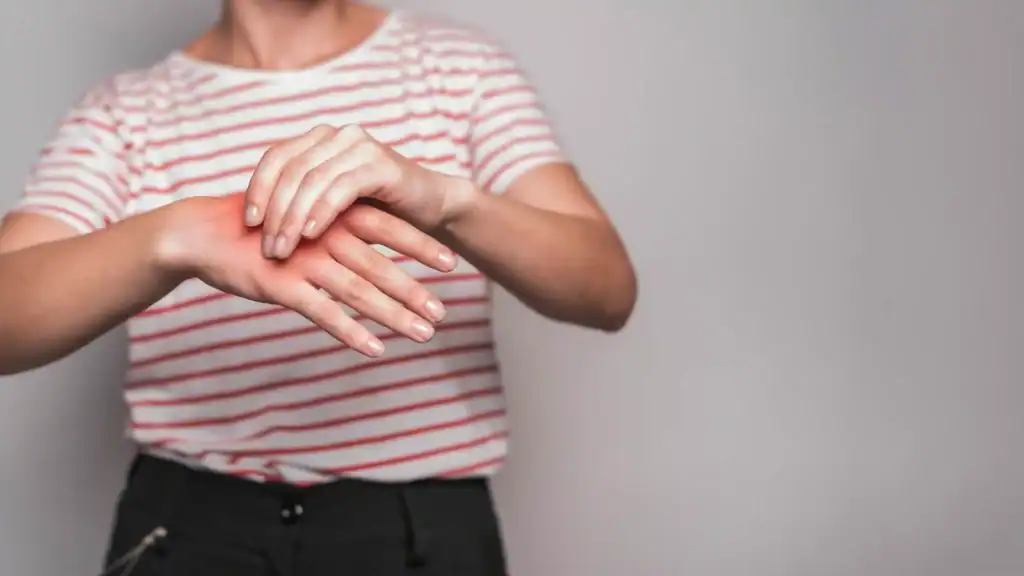
Millions of Americans suffer from peripheral neuropathy, which raises a crucial question for patients and their families: Is it possible to reverse neuropathy? It is not always straightforward. Medical experts believe that the reversibility of neuropathy depends on its cause, severity, and promptness of treatment. Whereas certain types of neuropathy may be resolved, others may need long-term care aimed at alleviating symptoms and reducing progression.
Knowing what doctors are telling you about neuropathy reversal can help patients make informed decisions and seek appropriate care sooner rather than later.
What Is Peripheral Neuropathy?
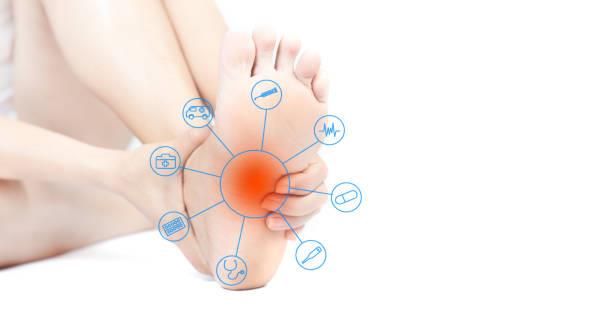
Peripheral neuropathy is a condition in which nerves beyond the brain and the spinal cord are damaged. This type of damage disrupts communication between the nervous system and the rest of the body, causing symptoms such as tingling, numbness, burning pain, weakness, and changes in skin color or circulation.
Neuropathy typically affects the legs and feet, though in some cases it can involve the hands and arms, depending on the cause.
Neuropathy Reversible: A Medical Viewpoint
Medical practitioners mostly concur that whether neuropathy is reversible is based on the ability to detect the causal agent and treat it. When nerve damage is not severe or diagnosed early, it can be improved. In cases of long-term or severe nerve injury, complete recovery might not be possible, but symptoms can be alleviated in many cases.
When Neuropathy Can Be Reversible
Neuropathy is more likely to be improved in cases where it is associated with factors that can be rectified, including:
- Vitamin deficiencies
- Poor circulation
- Nerve compression
- Some side effects of medication
- Metabolic imbalances
In such situations, restoring normal blood flow, inflammation, and nerve health could enable nerves to regenerate over time.
When Is Neuropathy Less Likely to Be Reversed?
Long-term neuropathy associated with diabetes or autoimmune illnesses might not be completely reversible. Nevertheless, physicians stress that it is still possible to manage symptoms and improve functioning with comprehensive care.
Importance of Early Treatment
Early intervention is one of the most constant messages of medical professionals. There is a low rate of nerve regeneration, and the longer it is damaged, the higher the risk of permanent symptoms.
Early treatment of the symptomatic individual is likely to prevent progression and enhance the patient’s chances of recovery. By addressing the underlying causes of illness rather than treating symptoms, clinics tend to achieve better long-term outcomes.
Treatment Options Frequently Prescribed by Doctors
Attending to the Underlying Cause
Physicians are more concerned about what is harming the nerves. This can involve enhancing circulation, rectifying nutritional deficiencies, or relieving mechanical nerve stress.
Neuropathy Nerve Stimulation
A nerve stimulator is a non-invasive treatment that is applied to stimulate nerves and enhance the communication between the nervous system and muscles in neuropathy. Medical practitioners frequently prescribe nerve stimulation as part of a larger treatment plan to reduce pain, enhance sensation, and support nerve function.
Pharmacotherapy and Analgesics
Some patients get drugs to deal with the neuropathic pain. Tramadol peripheral neuropathy Prescriptions can be applied short-term to manage pain. Yet physicians warn that drugs do not fix nerve damage and must not be the only treatment.
Integrative Care and Neuropathy Recovery
A large number of physicians have embraced integrative care models that incorporate traditional medical care with noninvasive treatments. Instead of focusing solely on pain medication, they aim to enhance blood flow, reduce inflammation, and promote nerve regeneration.
Integrative clinics tend to base treatment plans on a patient’s specific symptoms and their health and lifestyle history. This individualized care can be consistent with existing medical knowledge, which holds that neuropathy is not a universal condition.
Patient Expectations from Treatment
A common question that patients will have is how long it will take. Physicians emphasize that nerve recovery is slow. Some report symptom improvement after a few weeks, and others take a few months of regular attention.
Realistic goals include:
- Less pain and itching
- Better balance and mobility
- Increased circulation and skin tone
- Reduction in nerve damage pace
The improvement in quality of life is a worthy and attainable goal, even if a complete reversal is impossible.
When to Seek Professional Help
Doctors suggest that if you experience persistent numbness, tingling, burning pain, or weakness in your legs or feet, it is essential to seek an evaluation at an early stage. One should not overlook the slowly growing symptoms of neuropathy, as early treatment can help prevent subsequent complications.
A thorough examination will determine whether your neuropathy is reversible and identify the best course of action for managing symptoms.
Conclusion: A Way Forward with Restore Wellness Center
So, is neuropathy reversible? Doctors assert that the reversibility of neuropathy depends on the underlying cause, the duration of the condition, and the type of care provided. While some types of neuropathies can’t be fully fixed, many patients can see a significant improvement in their condition with early, comprehensive treatment that targets the root problem.
At the Restore Wellness Center, patients receive high-quality, personalized treatment that aims to enhance nerve conduction, circulation, and overall quality of life. Restore Wellness Center helps patients become confident, mobile, and hopeful about a healthier future by going beyond symptoms to address the underlying causes of their neuropathy.